

Short answer: €3,200 to €4,700 for 14 days, flights excluded. That is what I actually spent driving the Ring Road solo in a campervan: €1,800–2,800 for the van, €400–550 on fuel, €350–500 on food, €200–290 on campsites, and the rest on guided tours and parking. Two people sharing the van pay a lot less each.
Planning an Iceland Ring Road trip and trying to figure out what it will actually cost? Here are my real numbers — not estimates from a travel agency, but what I actually spent over 14 days in a campervan. These numbers come from my full 14-day Ring Road itinerary.
Here’s exactly where the money went. I drove it in July, and why that month over any other is in my honest month-by-month guide to visiting Iceland.
The Campervan: Your Biggest Cost
Campervan rental was by far my largest expense — roughly €1,800 to €2,800 for 14 days depending on the vehicle and season. A few things that affect the price significantly:
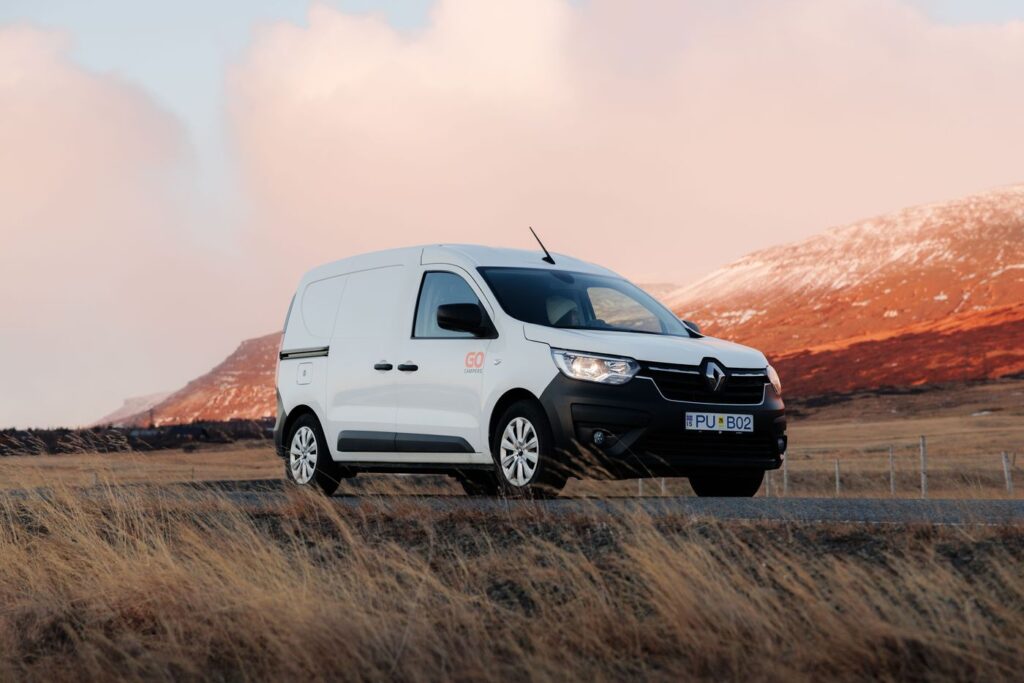
Insurance is non-negotiable in Iceland. Gravel protection and sand and ash protection are separate add-ons that most basic policies don’t include — and the roads will chip your windshield if you skip them. Factor this in before you book. I wrote up which cover I actually bought and what I skipped, with the daily rates.
A built-in diesel heater matters more than you think. In September even summer nights drop to near zero. Without a heater you’ll be cold and uncomfortable — I consider it essential, not optional.
Advertising disclosure: Links and buttons marked with * are affiliate links. If you book through one of them I earn a small commission — the price stays exactly the same for you.
I used Northbound.is * to compare rental options and find a van with the right kit included. It filters by what’s actually included rather than the headline price, which saves you from hidden costs later. The rental line above includes insurance — roughly €25 to €35 per day of it. My Iceland campervan insurance guide explains which cover I booked and which I skipped.
For 14 days I paid toward the higher end of that range — but I had a well-equipped van with proper insurance, which made the trip significantly more comfortable.
Camping: Cheaper Than You’d Think
Iceland has an excellent network of official campsites, and most charge between €12 and €18 per person per night. On top of that comes a lodging tax of 400 ISK per night, paid at the site. Over 14 nights that comes to roughly €200 to €290 travelling alone.
A few practical notes on the Camping Card. It costs around 26,000 ISK, covers two adults and up to four children for 28 nights, and is valid until 15 September. For two people it pays for itself inside a week. Travelling alone it is close to break-even over 14 nights, and it only works at the 40-odd sites in the scheme — so check it against your route before you buy. Booking ahead isn’t always necessary outside peak season, but in July and August some popular spots fill up.
Wild camping is technically illegal in Iceland. Stick to the official sites — they’re well maintained and the locations are usually the best part anyway.
Fuel: Budget More Than You Think
The Ring Road is roughly 1,300 km. With side trips — and you will take side trips — I covered closer to 2,500 km total. Fuel in Iceland is expensive, and campervans are not fuel-efficient. My total fuel cost was around €400 to €550.
Practical tip: fill up in larger towns. Petrol stations in remote areas charge more and some are unstaffed with card-only payment. N1 and Orkan are the main chains and generally the most affordable.
Food: Where You Can Save the Most
This is where you have the most control over your budget. Iceland’s restaurants are genuinely expensive — a basic sit-down meal easily runs €25 to €40 per person. Over 14 days that adds up fast.
My approach: Bónus supermarket for most meals, cooked in the campervan. The occasional restaurant when I was in a town with something worth trying. Total food spend was around €350 to €500 — achievable if you’re disciplined about supermarket shopping.
Bónus is Iceland’s budget supermarket chain — look for the pink pig sign. Stock up before leaving Reykjavik and again in Akureyri. Krónan is the other budget option.
Experiences: What I Did and What It Cost
I kept paid activities to the highlights that genuinely can’t be replicated for free:
Whale watching * in Húsavík — one of the best experiences of the trip. Humpbacks breaching right next to the boat. Around €80 to €100 for a traditional boat tour. Worth every krona.
Glacier hike on Falljökull, ten minutes from the Skaftafell campsite — guided tours run around €60 to €80. Walking on the glacier with crampons and an ice axe is surreal and the guides are excellent.
Landmannalaugar day tour from Reykjavik — the Highlands are inaccessible without an F-road vehicle. A guided day tour costs around €120 to €150 but gives you access to landscapes that most Ring Road travelers never see. Rhyolite mountains, geothermal rivers, hot springs — nothing else I saw in Iceland looks like it.
Hvammsvík Hot Springs * — from €72 for the admission package. One of the best hot spring experiences in the country right now. Eight pools at different temperatures built into the Atlantic Ocean. Book well ahead.
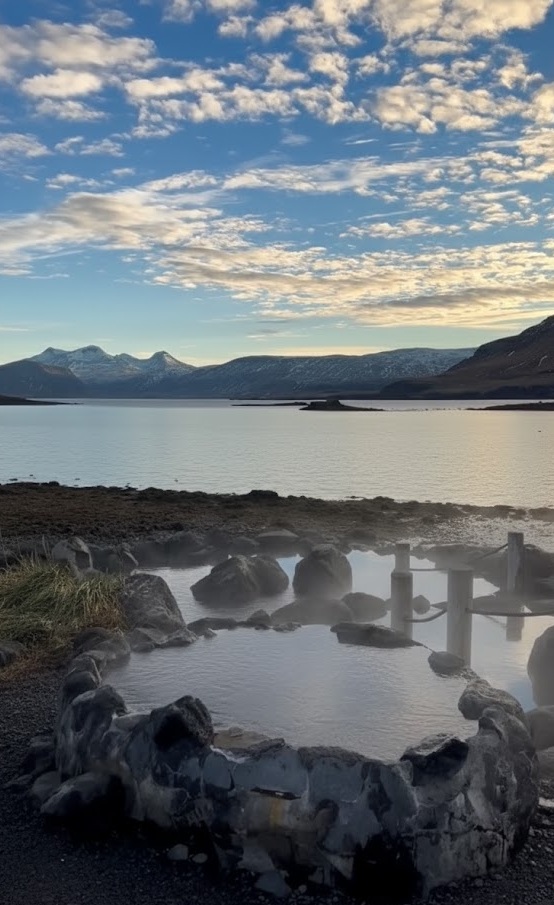
Mývatn Nature Baths * (now Earth Lagoon, reopened after a full rebuild on 9 July 2026) — from €55. The northern version of the Blue Lagoon, with a more local feel and fewer crowds. For more info, I wrote an article about hot springs.
Total for experiences: roughly €390 to €460 over 14 days — selective, and worth it.
The Small Costs That Add Up
Parking at national parks and attractions runs €5 to €8 per stop — it adds up over two weeks. Budget around €50 to €80 for this.
Full Cost Breakdown
| Campervan rental incl. insurance | €1,800 – €2,800 |
| Campsites incl. lodging tax | €200 – €290 |
| Fuel | €400 – €550 |
| Food and groceries | €350 – €500 |
| Guided experiences | €390 – €460 |
| Parking and tolls | €50 – €80 |
| Total, 14 days | €3,190 – €4,680 |
Solo, July 2026 prices, international flights not included.
Solo travel is more expensive per person than going with a partner — the campervan cost is the same whether there’s one person or two. If you’re traveling with someone, split the rental and your per-person total drops significantly.
Is Iceland Expensive?
Yes — but it’s manageable if you plan for it. The campervan is the big fixed cost. Everything else you can control more than you think. Cook in the van, choose your paid experiences carefully, and don’t underestimate fuel.
The thing nobody tells you: Iceland is one of those places where spending more on the right things — a proper van, good insurance, the experiences that are genuinely unique — makes an enormous difference to how the trip feels. Cutting corners on the campervan is where most people regret it.
Planning your own Ring Road trip?
My Iceland Ring Road Campervan Guide covers the full route day by day — campsites, driving times, highlights, F-road tips and the experiences worth paying for. Everything I wish I’d had before I went.
Before you go
Planning your own Ring Road trip?
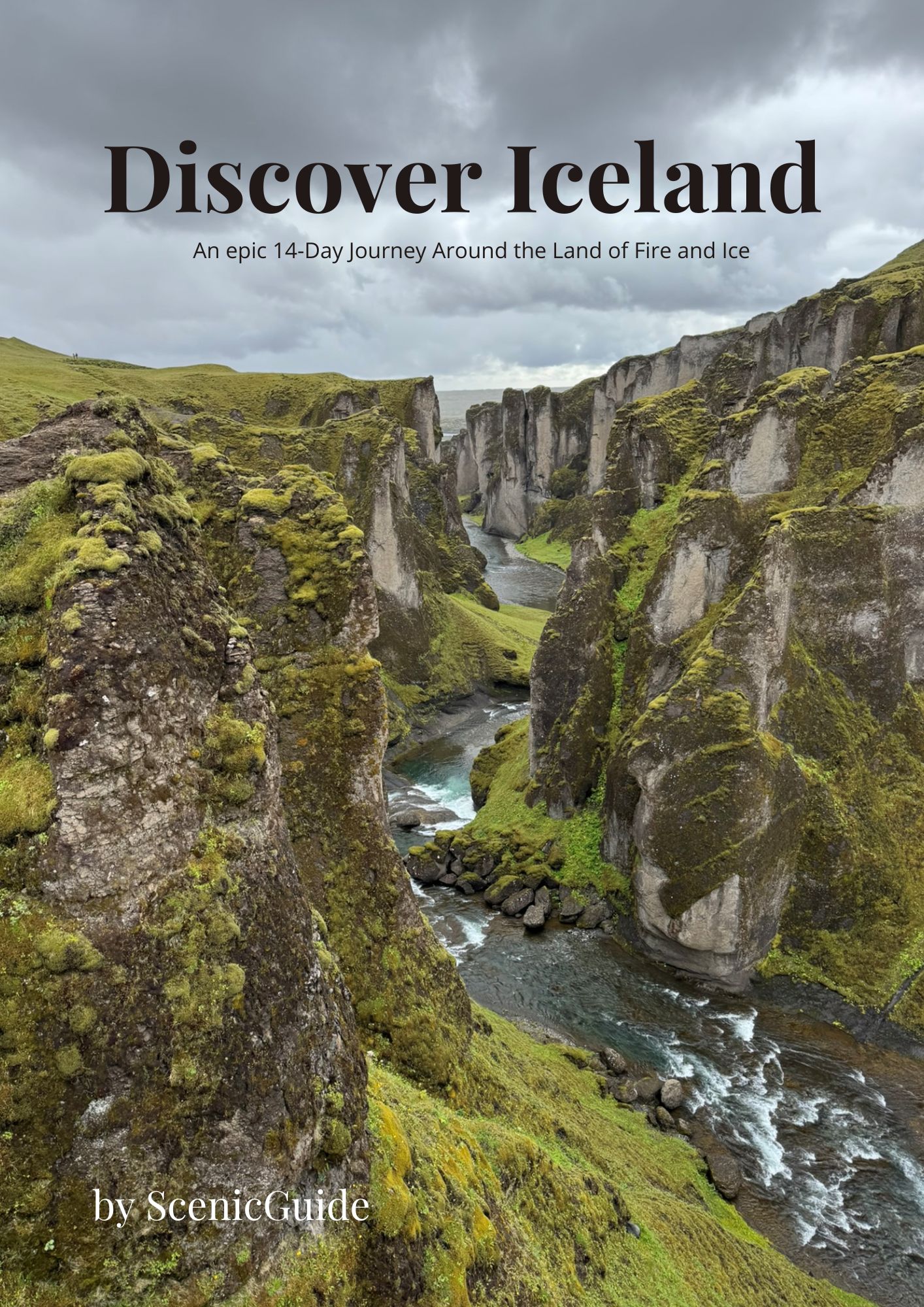
Iceland Ring Road Campervan Guide
My full 14-day route — 2,500 km, every campsite, what I spent, and the detours worth taking. The plan I drove, in one PDF.
How I booked my campervan
I compared three rentals before I chose mine. These are the ones worth checking — Lava gives 5% off with code CREATOR.