

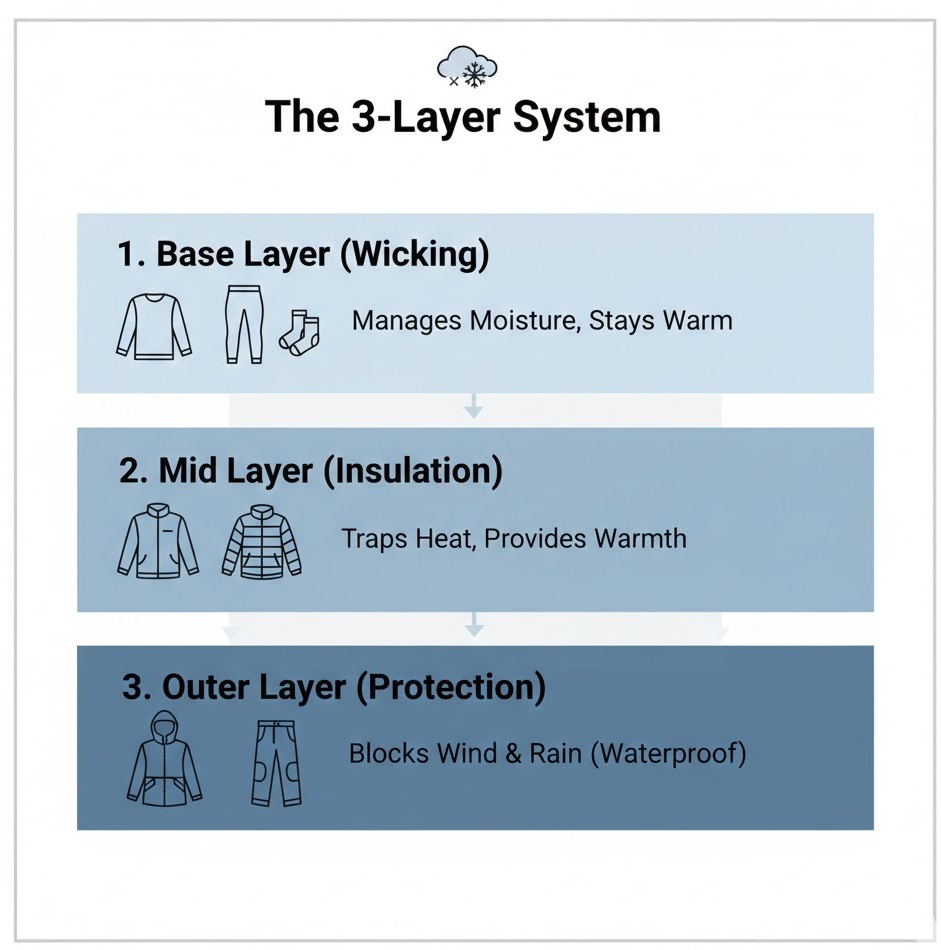
Packing for Iceland is all about mastering the art of layers. In the land of fire and ice, you can realistically experience all four seasons in a single hour—from bright sunshine to horizontal rain. For campervan travelers, the challenge is simple but crucial: you must minimize bulk to save space in your van while maximizing functionality for the outdoors. Here is my battle-tested guide to staying warm, dry, and comfortable throughout your entire journey.
The 3-Layer System
Layer 1: The Base (Wicking)
The foundation of your warmth starts directly on your skin. Choose materials that actively manage moisture and pull sweat away from your body.
Merino Wool Thermals: High-quality tops and bottoms are non-negotiable. Unlike synthetic fabrics, merino wool is naturally odor-resistant and keeps you warm even if the fibers get damp from a sudden mist.
Wool Socks: Pack 4–5 pairs of varying thicknesses. Pro Tip: Combine a thin liner sock with a thick wool outer sock to reduce friction and prevent blisters during long hikes on uneven lava fields.
Layer 2: The Mid (Insulation)
This layer is responsible for trapping your body heat and creating a warm microclimate around you.
Fleece or Half-Zips: These provide excellent breathability and are easy to peel off when the sun finally breaks through the clouds.
Insulated Down Jacket: A lightweight "puffy" jacket is your best friend. It provides maximum warmth-to-weight ratio and is perfect for chilly evenings at the campsite or while waiting for the Northern Lights to appear.
Layer 3: The Shell (Protection)
Your shield against the Icelandic elements.
Waterproof Jacket: Must be 100% waterproof and windproof, not just "water-resistant."
Waterproof Pants: Essential for waterfalls like Skógafoss, where the spray will soak you in seconds.
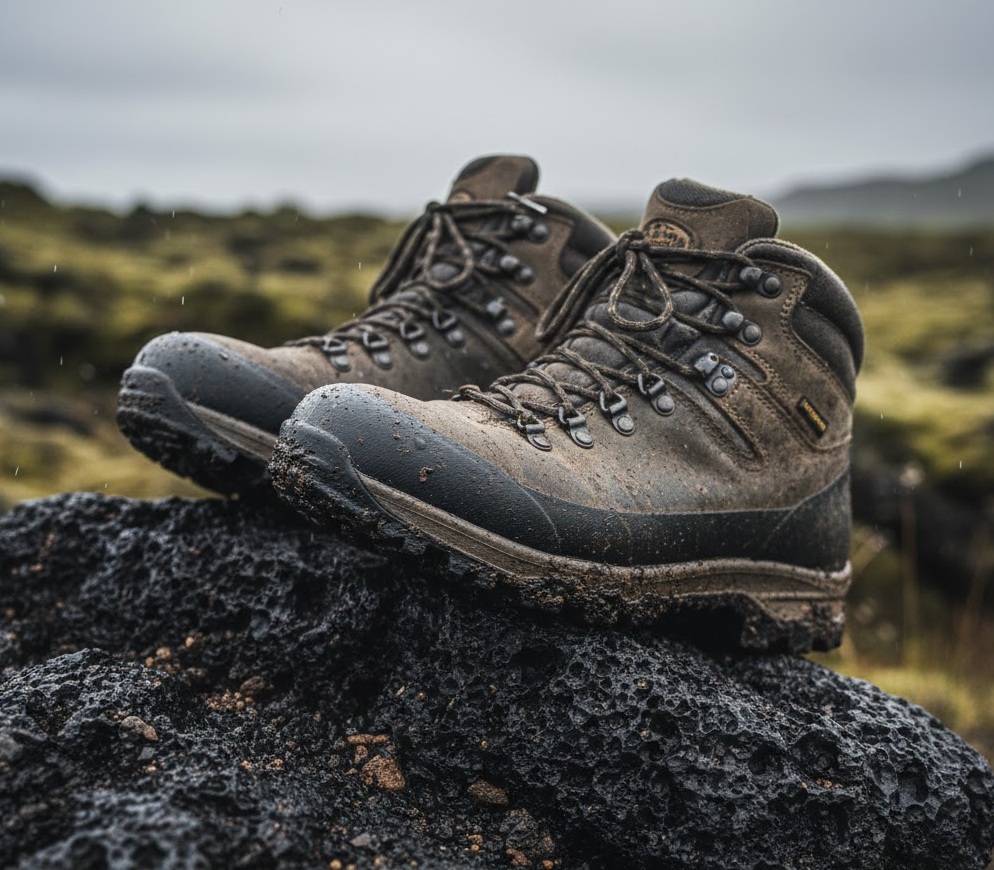
#1 Footwear: Boots that take you further
Your boots are your most essential piece of gear for Iceland. They must be fully waterproof and thoroughly broken-in before you arrive to avoid blisters. If you plan on a professional glacier hike at Skaftafell, ensure your boots offer strong ankle support for crampons. If your current pair isn't suitable, don’t worry—most local tour operators offer professional rentals to keep you safe and comfortable on the rugged terrain
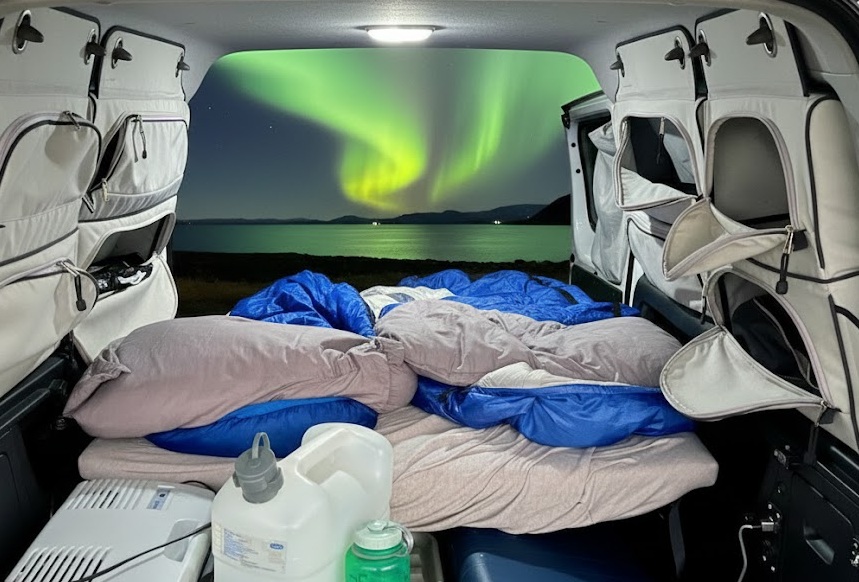
#2 Van Life: Sleep & Personal Comfort
For a restful night, use a cold-weather sleeping bag (rated 0°C to 5°C), which is often available for rent from your provider. If traveling between May and August, a sleeping mask is essential as it never gets truly dark. Bring ear plugs (Oropax) to block out the sound of rain on the van’s metal roof. For personal care, pack sunscreen, glacier-glare sunglasses, heavy-duty lip balm, and a small first-aid kit.
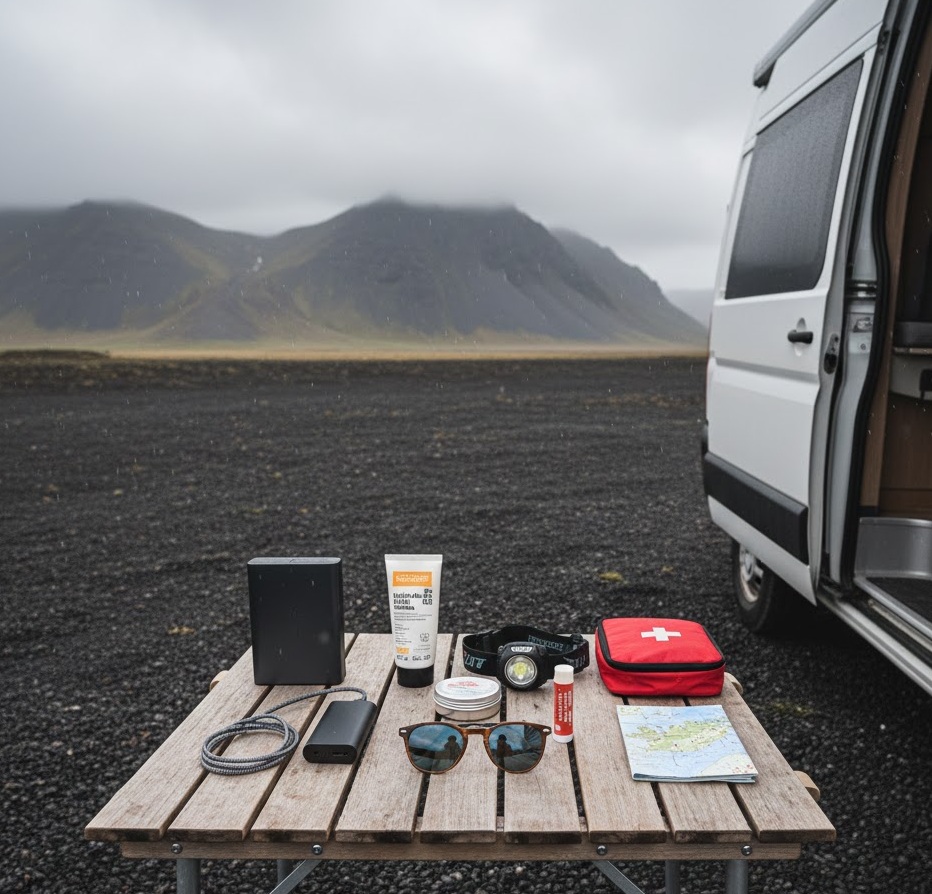
#3 Essentials: Tech & Outdoor Gear
Stay charged by bringing a powerful power bank and a car charger with multiple USB ports to keep your navigation and camera alive. For your van kitchen, pack a reusable water bottle, a personal mug, and lightweight grocery bags. Don't forget your hot spring kit with a swimsuit and a quick-dry microfiber towel. Pro-additions like dry bags for waterfall spray, a reliable headlamp, and binoculars will greatly enhance your adventure.
Before you go
Planning your own Ring Road trip?
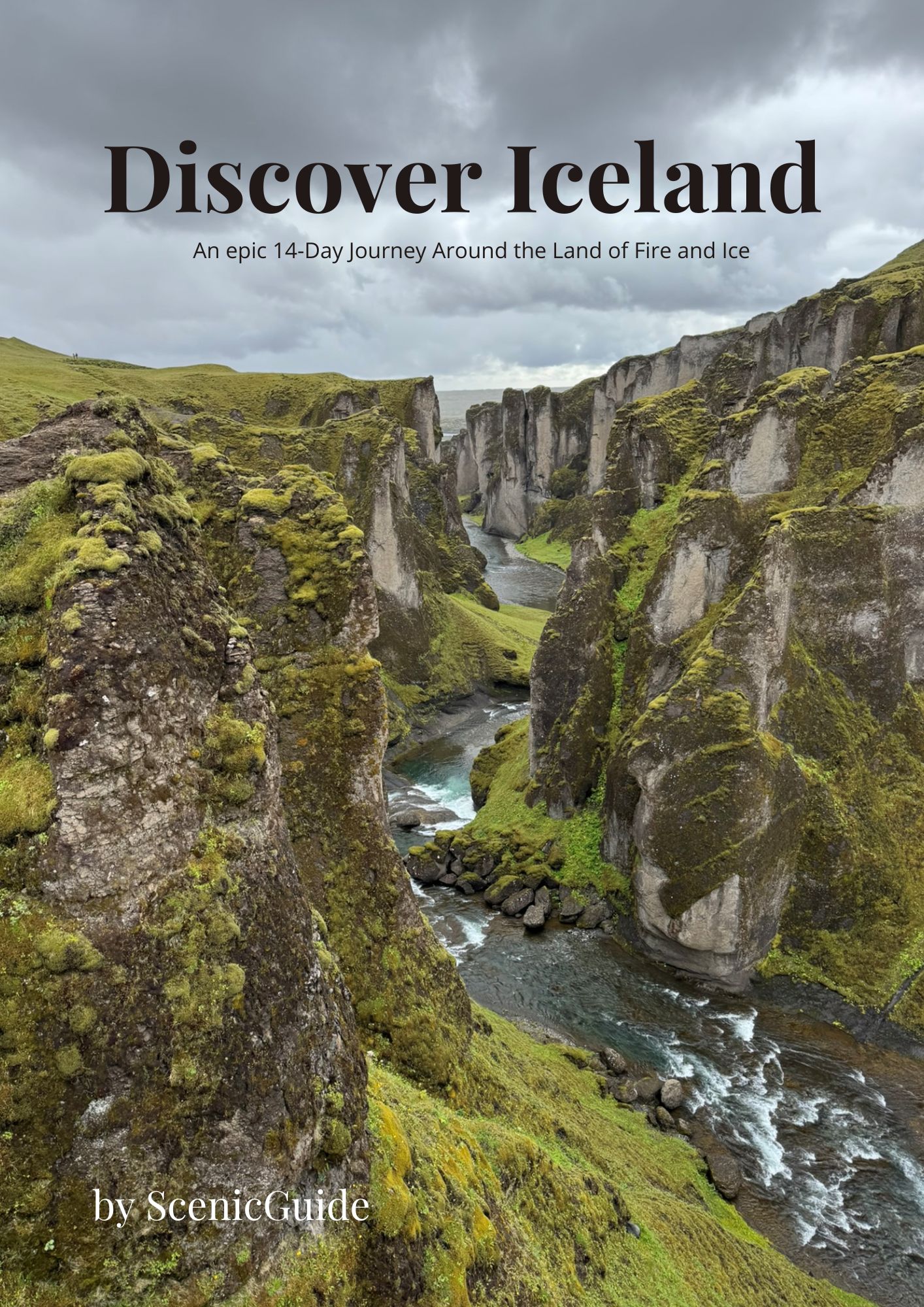
Iceland Ring Road Campervan Guide
My full 14-day route — 2,500 km, every campsite, what I spent, and the detours worth taking. The plan I drove, in one PDF.
Advertising disclosure: The rental links below are affiliate links. If you book through one of them I earn a small commission — the price stays exactly the same for you.
How I booked my campervan
I compared three rentals before I chose mine. These are the ones worth checking — Lava gives 5% off with code CREATOR.